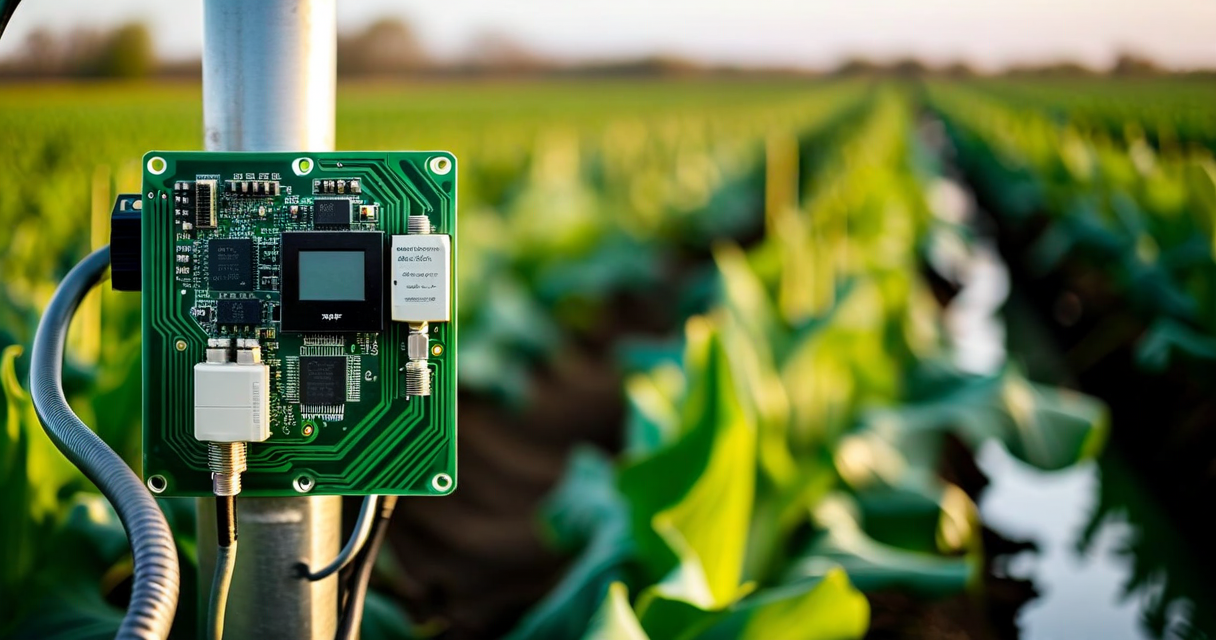
FarmHQ Raises $4.2M Seed Round Led by Lowercarbon Capital
Lowercarbon Capital leads a $4.2M seed investment in FarmHQ to expand irrigation control hardware to dryland farming regions across the Western US...
Practical articles on irrigation management, water conservation, IoT hardware, and running remote pump operations.
Lowercarbon Capital leads a $4.2M seed investment in FarmHQ to expand irrigation control hardware to dryland farming regions across the Western US...
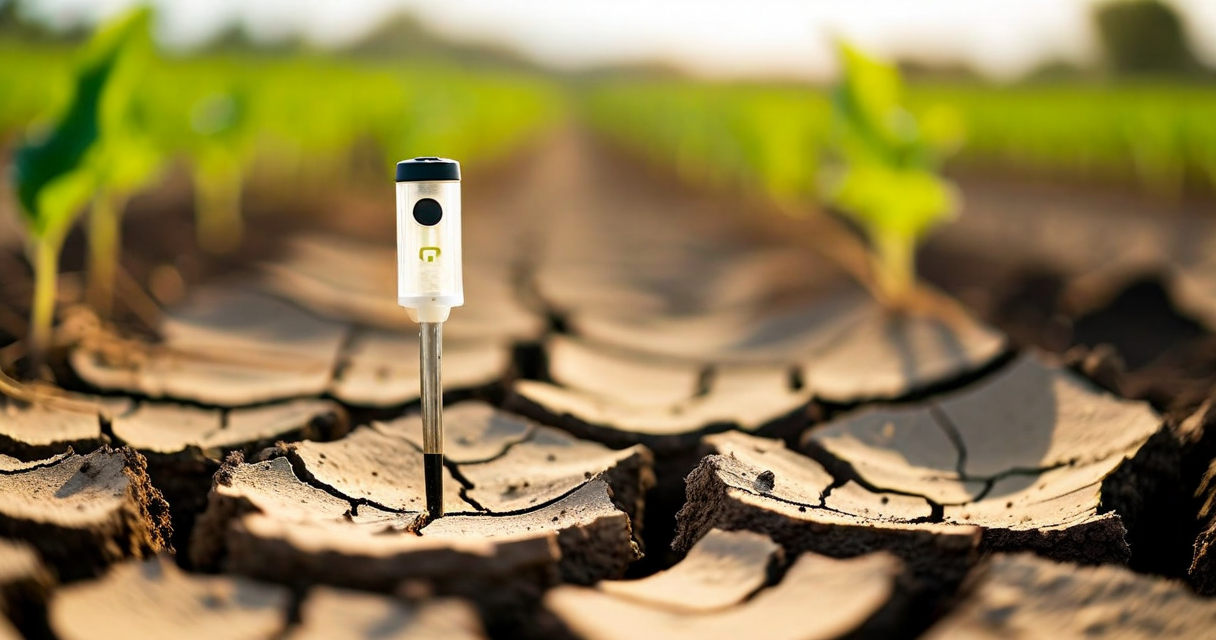
Soil moisture readings are only useful if you know what number to act on. Here's how irrigators in the Columbia Basin are using the data to stop over-watering...
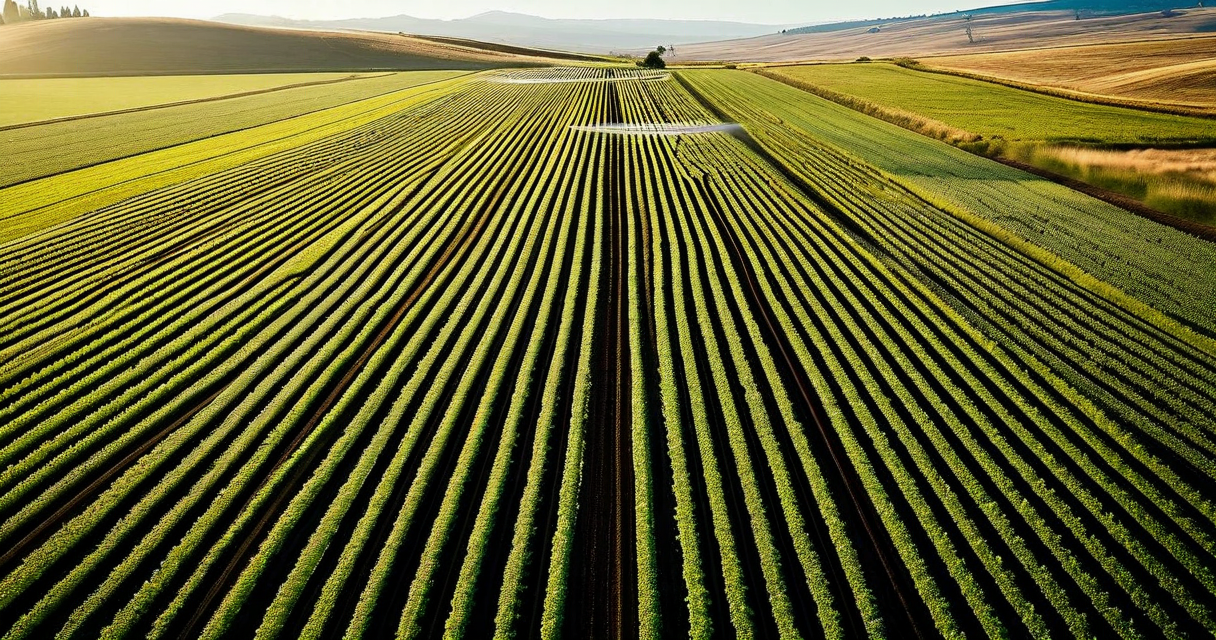
Pivots and drip zones have different failure modes and different alert logic. Here's how FarmHQ handles each — and what to watch for when mixing both on one property...
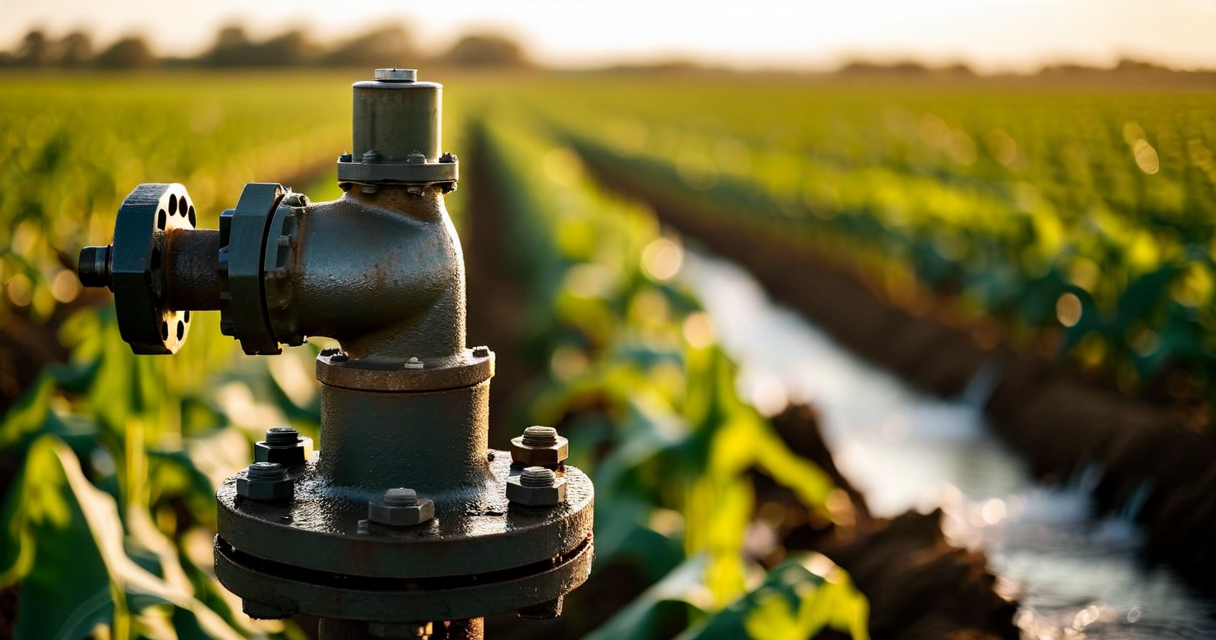
A pump running dry draws lower current than a pump under normal load. If you know what current to watch for, you can shut the pump off before the impeller damages itself...
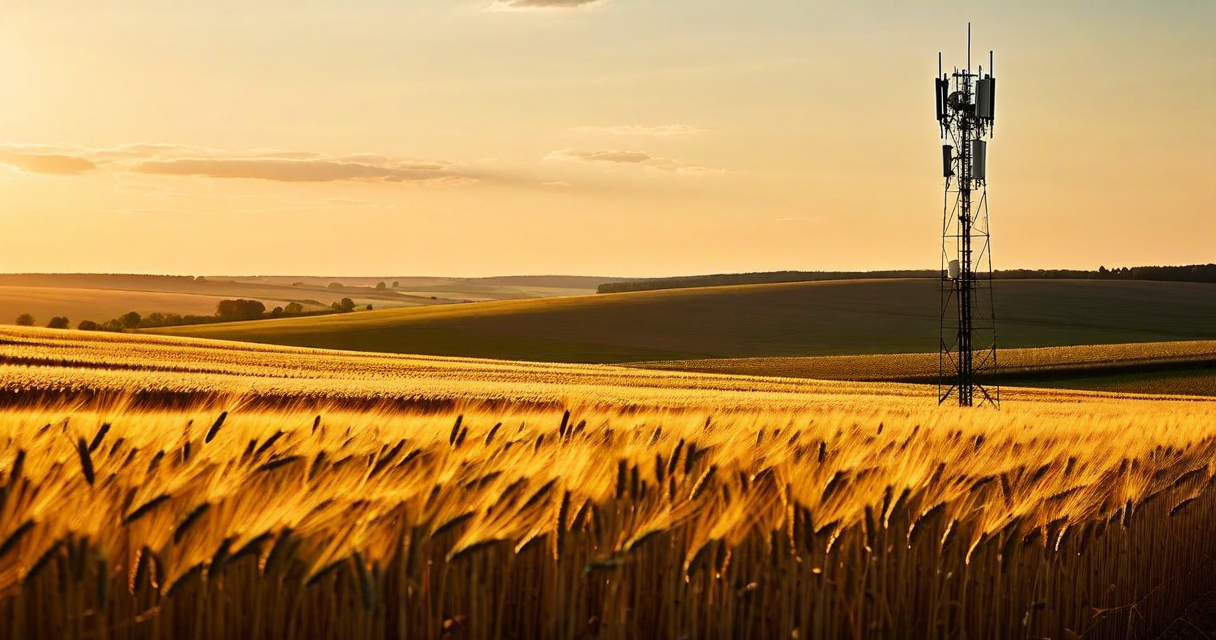
Both standards are promoted for IoT, but they behave differently at the edge of coverage. Here's what we found in 18 months of field deployments across Oregon and Idaho...
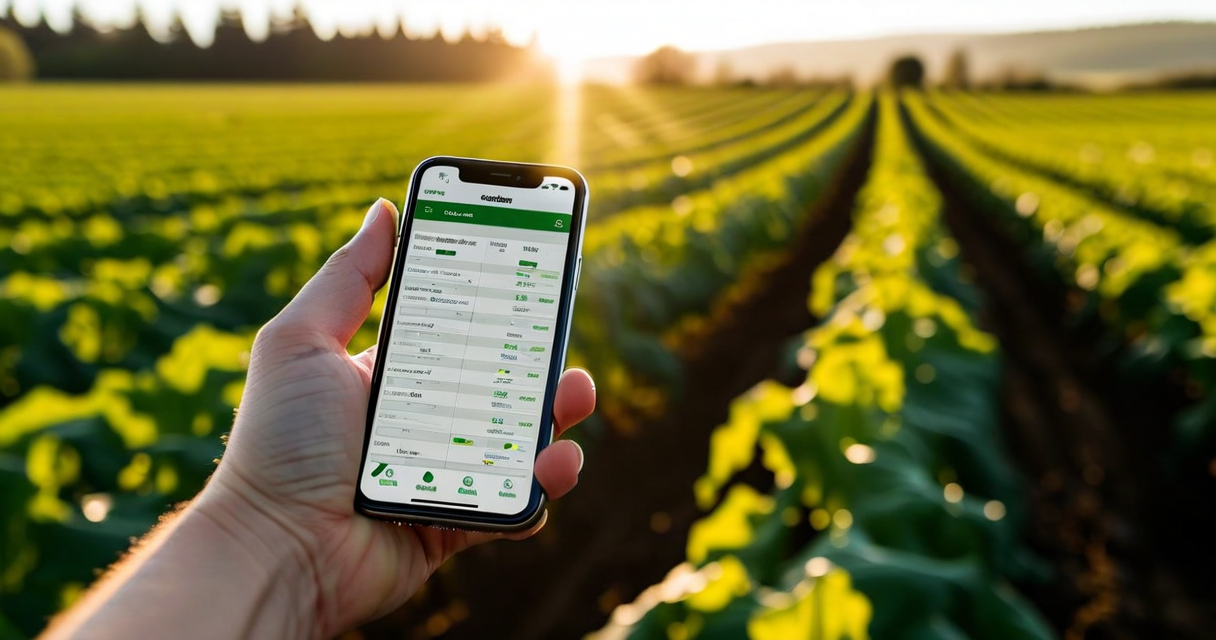
Evapotranspiration models are accurate but hard to apply. Most irrigators get better results from a simple soil moisture target with a fixed check interval. Here's the approach...
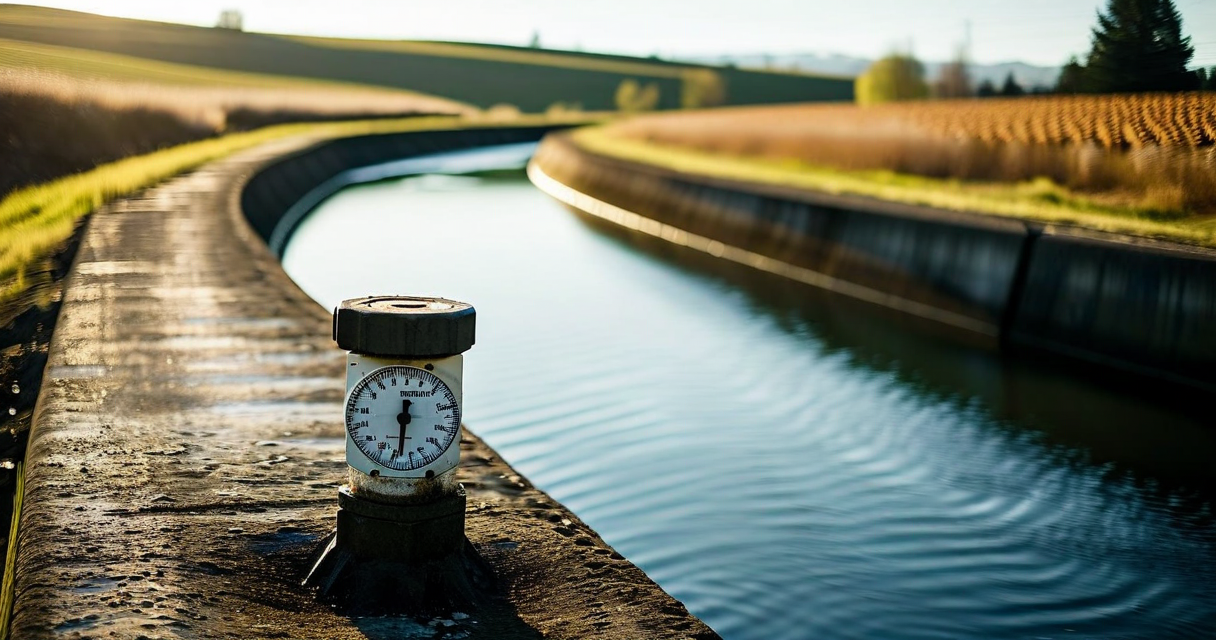
Water right holders in Oregon must report annual diversions to OWRD. FarmHQ's pump-hour logs can map directly to acre-inch estimates — here's the methodology we use...
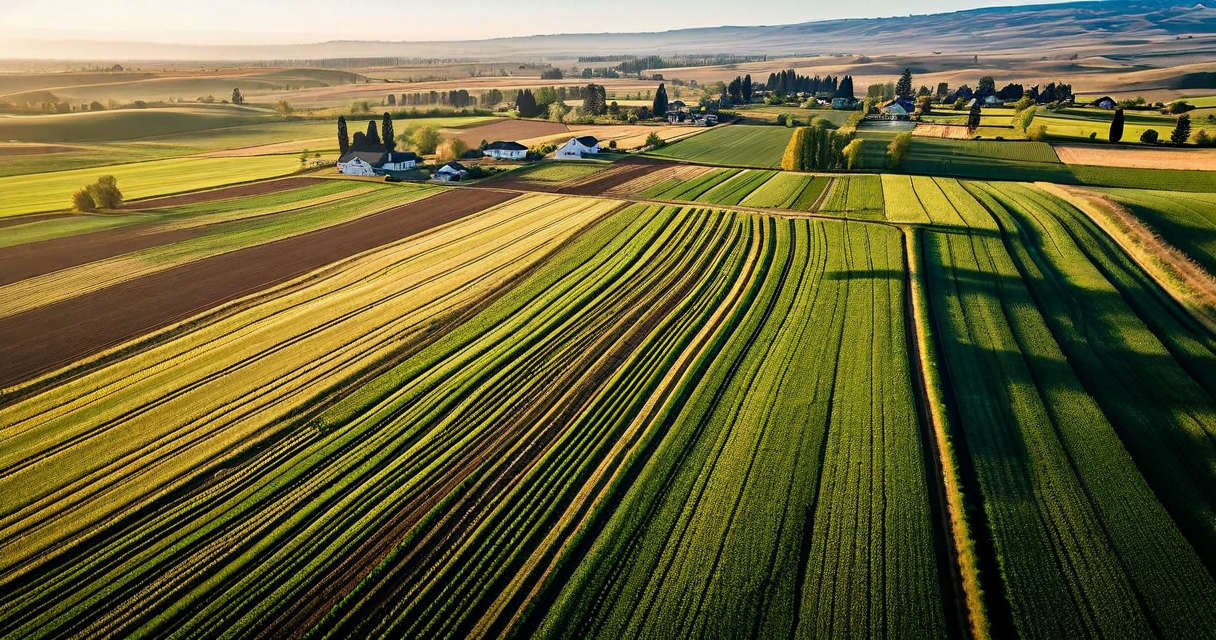
A grower in the Yakima Valley runs 5 leased properties across 3 counties. This is how he reduced his field-check driving by 70% after deploying FarmHQ across all sites...
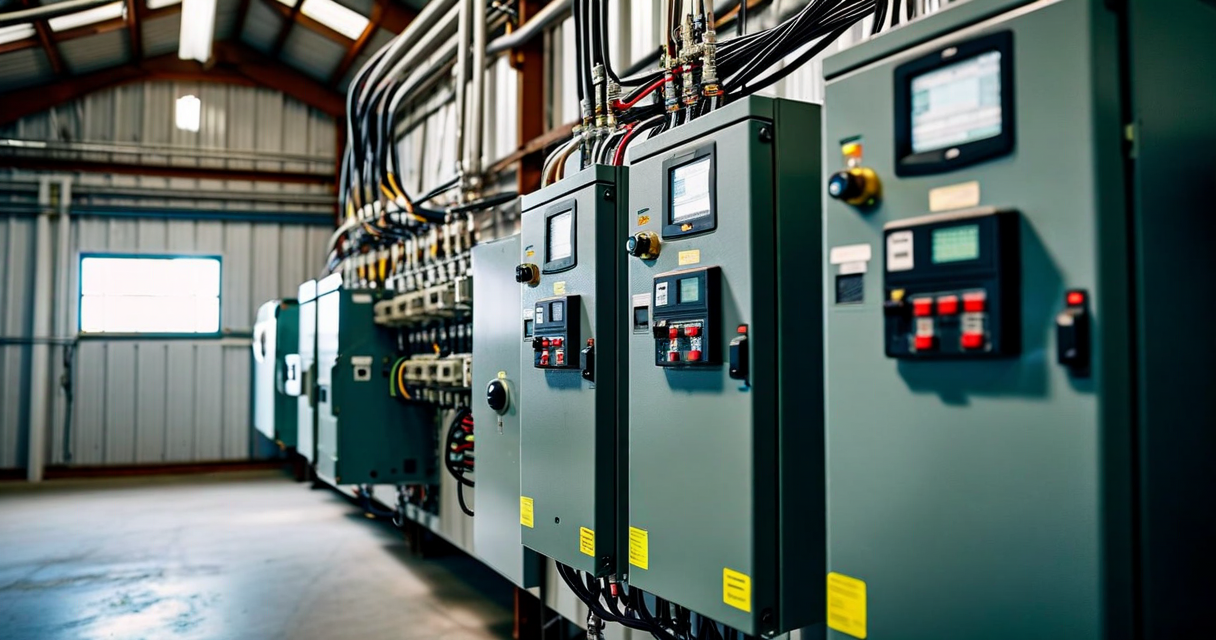
VFDs have a run-enable input that behaves differently from a direct motor starter. Here's how to wire the FarmHQ relay to a VFD safely — with and without a bypass switch...
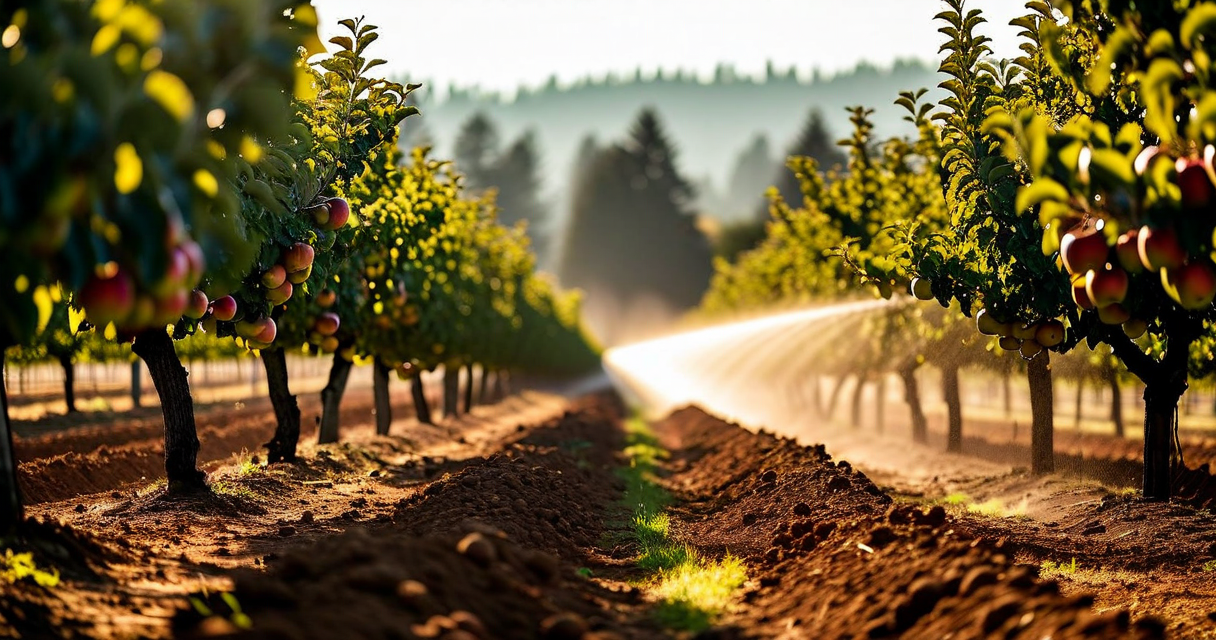
The 2021 Pacific Northwest heat dome killed crops across 3 counties in two days. Here's what the data shows about irrigation frequency during extreme heat events and how to pre-position your schedules...
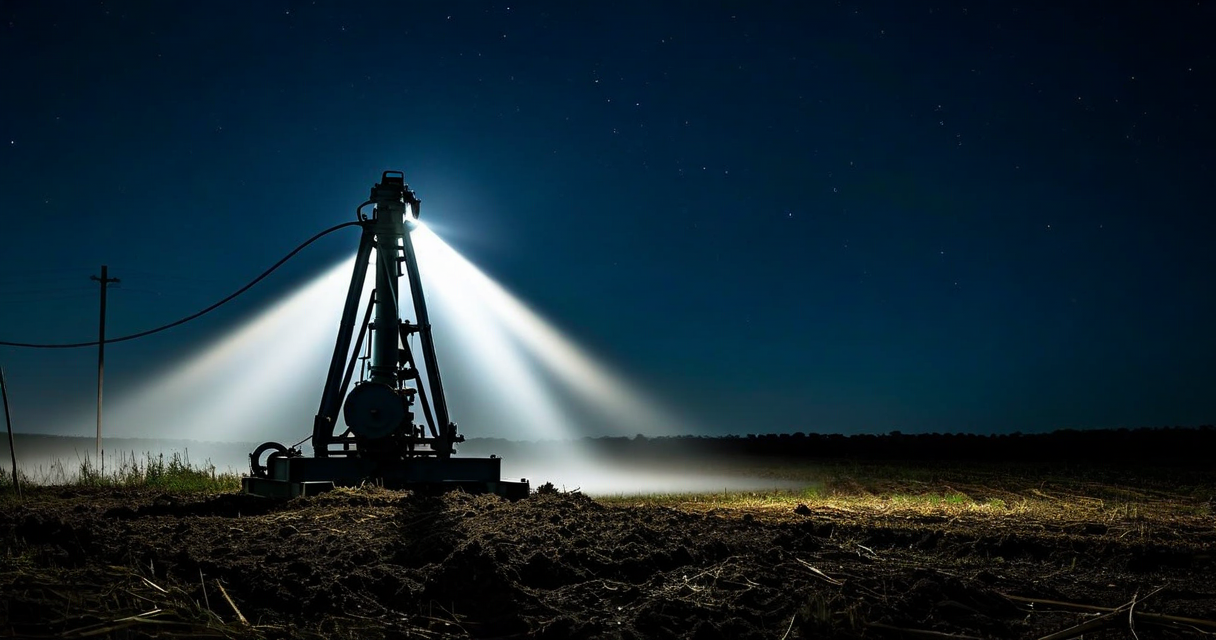
Power fluctuations and pressure drops cluster between midnight and 4 AM when grid demand is lowest. Here's what our alert data shows about when to set your monitoring windows...
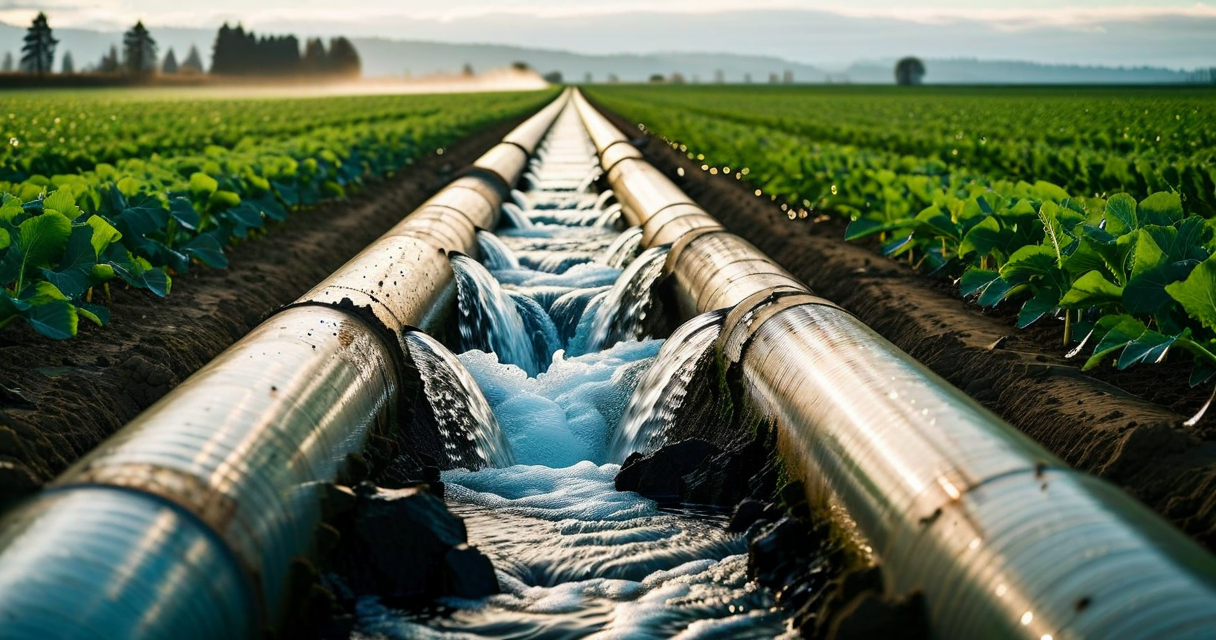
Most over-irrigation happens because nobody is watching. The fix isn't a smarter algorithm — it's knowing the soil moisture number that means stop, and getting an alert when you hit it...